Was I pregnant? Can children have babies? I’d break out into a cold sweat at the thought. The sweat would trickle down the back of my legs. I was convinced that cold sweat trickling down the back of your legs was a sure sign of pregnancy. The long-stemmed ceiling fan went round and round during those quiet afternoons.
Arundhati Roy, Mother Mary comes to me, 2025
Over the 30 years I worked as a consultant community paediatrician, I became increasingly aware of the ways in which sexually abused children and young people could benefit from healthcare at different points in their journey.
However, I was constantly challenged by professionals and sometimes parents that this ‘medical’ would be inherently harmful. I understood when attending multi-agency meetings, why some parents often in shock after hearing about the alleged or suspected sexual abuse, would answer ‘no’ to the police officer’s question ‘do you want your child to go through the medical?’. At the multi-agency strategy meeting, it was not uncommon to hear professionals say that it would be “extremely damaging” to propose a child protection medical examination if a child had not made a disclosure of penetration.
This common misconception has been reinforced by the 1989 Cleveland Inquiry, and is still influencing practitioners and courts today. I recommend reading Beatrix Campbell, 2023 book Secrets and Silence that clearly explains why what happened in Cleveland in the 1980s was not the scandal we were led to believe it was.
In this blog, I will reflect on my experience to show the importance of a holistic child protection medical assessment after sexual abuse in children and young people and the unrecognised and unexpected benefits. The examples used do not relate to individual children but are a reflection of my observations and experiences throughout my time in practice.
What are the unrecognised and unexpected benefits of a child protection medical assessment?
How often have we seen a child with the tiniest cut who demands a detailed inspection, recognition of what happened to them, sympathetic words followed by a plaster to make it all better? Why don’t we, as parents, carers, professionals from all agencies respond in a similar way to sexual abuse?
Children need to be listened to and heard. The doctor is well placed to look at an injury whether actual or imagined, acknowledge concerns and offer reassurance, which I would argue is essential to the healing process. In best practice, the holistic medical examination is child-led respecting the control they have lost.
One of the common misconceptions is that if there are no medical or criminal findings, such as physical changes or DNA on body swabs or clothes, then an offer of a holistic child protection medical assessment has no benefit.
Although a medical examination may not identify physical signs or evidence, that does not mean sexual abuse did not happen. Those who abuse are often well versed in the many different ways of sexually abusing without causing injury. The assessment may help clarify why there are no physical signs which is helpful for the child, parent/s and multiagency team.
Some young people may not have the words to explain exactly what has happened and the nature of the abuse may be difficult for them to describe. For example, during an examination, one young person was able to point to where the contact had occurred, which had been previously unreported.
Knowledge of genital anatomy even amongst adults is poor and even less understood by children and young people. It is often difficult for children and young people to understand what is happening to their body at the time of the abuse. A frightened young person who says “he put it in me” could be describing anything including oral, vaginal or anal penetration with a penis, finger or object. This could be misconstrued by the multi-agency team and potentially clarified through a holistic medical consultation.
Medical assessments after sexual abuse can be a great opportunity to provide reassurance and support for a child. The examination is an opportunity for the child to ask questions about the physical effect of the abuse. For example, “am I normal?”; “did the abuse cause damage and make me different?”; “am I going to get breasts?” I wonder what the impact might be for a child’s physical and gynaecological health, emotional wellbeing and relationship experiences if they are not given the opportunity to have these questions answered.
My experience has also made me reflect on the doctor’s unique position in relation to the patient, to show curiosity and allow unexpected questions like these to be asked. An explanation and reassurance relevant to the question includes information about healing, the normal variation in our anatomy and growing up, all of which are so important.
For example, a young person told me they were worried because they were having many small heart attacks. They had made this assumption because when researching on the internet, they found the association between palpitations and heart attacks. In addition, there had been a recent family bereavement from one. My reassurance and explanation of the physical symptoms associated with panic attacks came as a great relief.
Alongside addressing the health needs of the child, the child’s parents may have specific worries. My experience was the relief in the parent when I explained that the blood tests would include HIV testing; the importance of hearing a negative result cannot be underestimated. Many want to know about the long-term effects on their child’s physical health; this time with the doctor is often the only opportunity they will have to ask such questions related to the abuse.
Findings such as unexpected sexually transmitted infections and physical signs may reveal more to the history than was initially told to the police and/or social worker. Even when there is a disclosure such as inappropriate touching, genital contact may be denied. For example, in the case of an unexpected positive urine test for a sexually transmitted infection, when there was certainty that there would be no further contact with the suspected perpetrator, there was a further disclosure. I learnt from this and others, that the initial story may be the tip of the iceberg.
The benefits of the holistic assessment in educating, reassuring, and correcting any falsehoods cannot be underestimated. What will always stay with me are some of the questions I have been asked and the importance of staying curious in all circumstances.
Conclusion
Child protection medical assessments are more than evidence-gathering exercises. When carried out with sensitivity and a child-centred approach, they offer reassurance, respond to questions that require medical knowledge and address their physical and emotional health needs. It is well known that the sequelae of childhood sexual abuse last well into adulthood which include physical health difficulties such as chronic pain, gynaecological complaints and chronic fatigue being amongst them as well as the well-known mental health and social problems.
Positive interaction with an empathetic doctor who has the relevant training and competencies can have life long lasting effects. There is the opportunity to uncover hidden medical issues, answer questions about the body in relation to the abuse and support recovery by restoring a sense of control for the child or young person. Even when no physical signs are present, the process validates their experience and strengthens multiagency safeguarding efforts. Ultimately, best practice means seeing the examination as an opportunity for healing and empowerment.
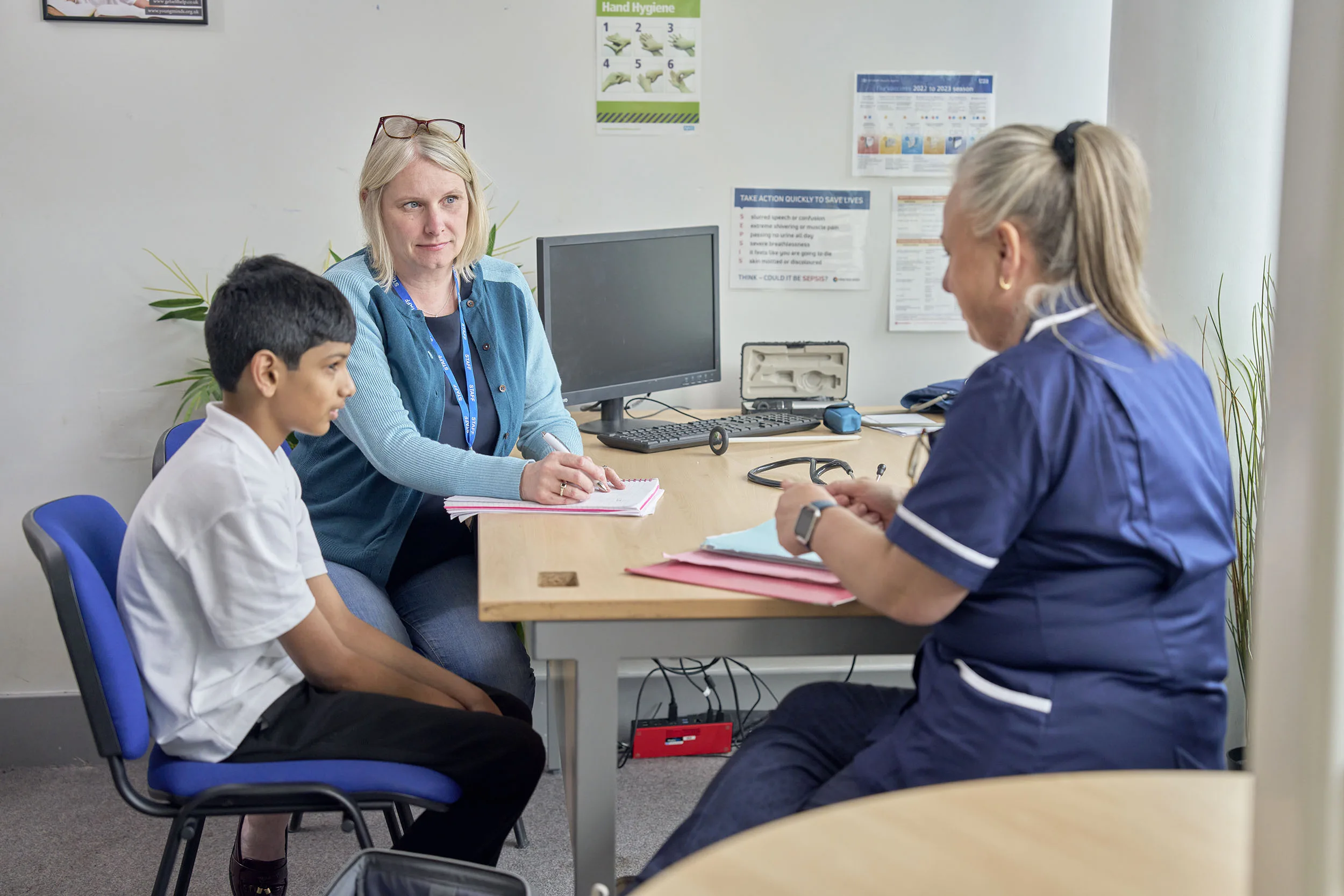
To find out more about medical assessments, I recommend watching the video made by the CSA Centre which is helpful in order to understand how the experience of seeing a doctor can be supportive and empowering for both a young boy and a teenage girl. Further information about the key medical findings identified after acute and historic sexual abuse are described in the CSA Centre’s 2019 scoping report on the subject.