Page contents
Children and families may have contact with a wide range of health practitioners. When concerns of child sexual abuse arise, these practitioners may be able to provide valuable information relating to the child and those around them, including the individual(s) who may have abused them, their non-abusing parent(s)/carer(s), and any other children in the family home.
Information about a person’s health is ‘special category data’; as such, it is more sensitive than some other information and must always be handled with particular caution when being considered for sharing in a multi-agency context. Our section on Understanding special category data tells you more about the circumstances in which it can be shared.
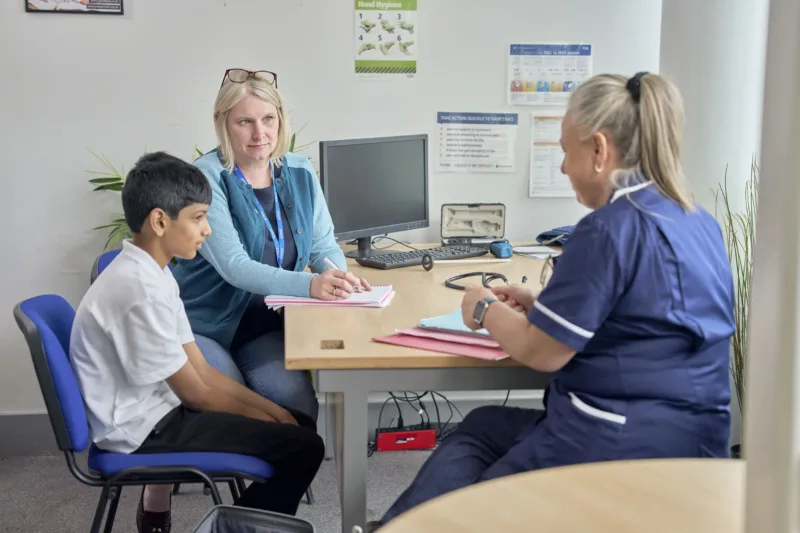
Information about the child’s health may include information about their physical and mental health, medications, developmental conditions, treatment history and specialist assessments. While some of this information (such as details of injuries, self-harm, or mental health risks) may be directly relevant to safeguarding, other aspects (e.g. their general medical history or specific health conditions they may wish to keep private) may not be necessary for the safeguarding purpose and should not be shared.
Information about siblings or other family members may also be relevant in some circumstances. For example, a sibling may have mental health needs, chronic illness or experience of trauma, which could affect their vulnerability or the wider family environment. And health information about a parent/carer may be important if it directly impacts the child’s safety or wellbeing, such as a carer’s mental health crisis, substance misuse issues, or a diagnosed condition that affects their capacity to safeguard. However, general health history or private medical information that is not relevant to safeguarding should not be shared.
How might information be shared from health settings?
Although structures vary, all health services in England and Wales have arrangements for safeguarding. Typically, the following practitioners will coordinate the raising of concerns about child sexual abuse and the sharing of information when concerns have arisen:
- Hospitals (including paediatrics and emergency departments). Most acute trusts have designated safeguarding doctors and nurses who provide expert advice, oversee safeguarding practice, and support staff in recognising and responding to concerns. There is usually a named safeguarding lead in each department who acts as the first point of contact.
- Community health services (health visitors, school nurses, sexual health, CAMHS). These services generally have named or safeguarding leads rather than a full-time designated doctor. Health visitors and school nurses are often supported by safeguarding children teams within the NHS trust or local authority. CAMHS teams typically have safeguarding leads or consultants who advise on complex cases.
- Primary care (GPs, practice nurses, dental services). GP practices have a named GP or nurse safeguarding lead responsible for coordinating safeguarding concerns, but they may not be on site at all times. Dental practices similarly have a named safeguarding lead.
- Sexual health services. Usually have a designated safeguarding lead and access to wider trust safeguarding teams for advice, but the service itself may not have a dedicated doctor specifically for safeguarding on site.
Specific pieces of safeguarding-related information that are likely to be held by different health practitioners are presented below.
GPs hold comprehensive longitudinal medical records of children and their families. This includes consultation notes, vaccination histories, chronic and acute health conditions, referrals, allergies and medications. The family GP may also document information useful in a safeguarding context, including:
- things the child has told them
- possible signs and indicators of abuse in the child’s behaviour
- concerns reported directly by the child or their parent(s)
- observed injuries, bruising, or patterns of repeated presentations
- parental health or mental health concerns that may impact child safety
- family history which may indicate risk factors (e.g. domestic abuse, substance misuse, parental experiences of trauma)
- actions taken in response to safeguarding concerns, such as referrals to children’s social care or specialist services.
The GP’s records can provide a longitudinal view of health, parental factors, and emerging patterns that may not be visible to a single organisation.
Part 5 of the Royal College of General Practitioners Safeguarding Toolkit says:
There are two broad safeguarding-specific scenarios in general practice which will prompt consideration of sharing information:
-
- When we in general practice have a concern that a child or adult, has experienced, or is at risk of experiencing, abuse or neglect e.g. seeking advice from a safeguarding professional or making a safeguarding referral.
- When other professionals or agencies, such as a health visitor or social care, have a safeguarding concern about an adult or child, they share that concern with general practice, and request information from general practice as part of the safeguarding process, e.g. social care request a report for a child protection conference.
There are other scenarios where information sharing is also needed within the broad scope of safeguarding, for example:
-
- court orders, such as requests for medical records as part of a family court process
- requests for completion of medicals and forms for prospective foster carers/adoptive parents
- requests for information as part of the health assessments for Looked After Children.
The toolkit acknowledges that information sharing in a safeguarding context “can give rise to a number of challenges in general practice”, but goes on to say:
These challenges must not prevent appropriate sharing of personal information for the purposes of safeguarding. One of the key ways to overcome many of these challenges is to be confident in your knowledge about safeguarding and information sharing processes. You can be assured that sharing personal information for the purposes of safeguarding is allowed in both the common law and data protection law.
Practice nurses hold records primarily of routine health checks, immunisations, and minor illness consultations. They may also observe:
- changes in the child’s behaviour or appearance over time
- possible physical indicators of abuse
- signs of neglect or physical injury
- early indicators of emotional distress or withdrawal
- concerns communicated during consultations by children or parents.
Practice nurses’ records can provide context to the child’s health history and early indicators of a need for safeguarding, which may be critical in building a chronology of concern.
As practice nurses visit families in their homes, they are often in the family home at a time when the family are caring for very young children.
Health visitors are often in a unique position to observe children and families in their home environment, particularly during the early years. Through routine home visits, developmental checks and ongoing contact, they can gain insight into the child’s development and the overall family dynamics. Their records may include:
- observations of parenting capacity, routines, and attachment
- observations of supervision and boundaries
- child development milestones, growth, and health checks
- the family’s engagement with the health visitor and other health services
- observations of interactions between the child and their parent(s)/carer(s)
- indicators of parental difficulties, stress, mental health difficulties, or substance misuse
- relationships in the home
- any concerns about potential child sexual abuse or neglect, including subtle indicators.
Health visitor records are particularly valuable because they often capture early warning signs of abuse before the child comes into contact with statutory services.
School nurses maintain records on children’s health in their educational setting, including:
- screening results (vision, hearing, body mass index and vaccination history
- behavioural observations, social interactions, and mental wellbeing indicators
- notes from conversations with children, parents, or teachers raising concerns
- actions taken in response to safeguarding concerns.
They provide a unique perspective on a child’s wellbeing in the school context and can identify changes in behaviour, attendance or engagement which may indicate abuse or neglect.
For information about sharing information through the school’s Designated Safeguarding Lead/Person (DSL/DSP), see What information do early years settings, schools and colleges hold that may be useful?
Midwives hold records covering pregnancy, maternal health, birth history and family circumstances. The information they record may include:
- details of the mother’s physical and mental health, and any relevant diagnoses
- domestic or family risks identified during pregnancy
- parenting capacity assessments and support needs
- notifications to safeguarding leads where the midwife has considered that children may be at risk.
Midwives’ records are also important for understanding the needs of other children in the home and anticipating safeguarding needs early.
Midwifery services routinely enquire about domestic abuse as part of antenatal and postnatal care, recognising the heightened risks during pregnancy and the early months of a child’s life. This information is typically gathered sensitively in private appointments and recorded within maternity records, with access restricted to relevant health practitioners involved in the mother’s care (e.g. midwives, obstetric staff, health visitors and, where appropriate, safeguarding leads).
While this information is confidential, there are times when it needs to be shared, potentially without the mother’s consent if there are safeguarding concerns or a risk of serious harm.
Where concerns about child sexual abuse have arisen, information from routine enquiry can be highly relevant: domestic abuse may indicate patterns of coercive control, fear or power imbalance within the household that increase children’s vulnerability to sexual abuse, limit the mother’s protective capacity, or affect her ability to recognise or act on concerns. Used appropriately, this information can help build a fuller understanding of risk and inform timely, coordinated safeguarding responses across agencies.
Paediatricians hold detailed clinical information about a child’s physical health, development and wellbeing, often gathered through assessments, examinations and ongoing medical care. Their records may include:
- growth charts, developmental assessments, and notes on chronic condition management
- observations of behaviour, injuries, medical conditions or delays in seeking treatment that may indicate abuse
- medical findings from examinations that may support a safeguarding investigation
Paediatricians may also record information from conversations with parents or carers, and from liaison with other practitioners.
In a safeguarding context, paediatric records can be particularly important where there are concerns about non-accidental injury, neglect or sexual abuse, as they may document physical findings, reports of harm made in a healthcare setting, or professional opinions about whether a presentation is consistent with abuse. Medically corroborated evidence of harm can be critical in multi-agency investigations into child sexual abuse.
Sexual assault referral centres (SARCs) hold highly detailed, confidential records related to child sexual abuse when a child is referred for a paediatric medical assessment. These records contain information including:
- anything the child has said about what has happened to them
- a chronology of events
- a holistic assessment of the child’s health needs
- results of the forensic medical examination results, photographic evidence, and samples collected
- immediate and longer-term safeguarding plans
- links to police investigations, multi-agency strategy meetings, and therapeutic support.
The information in SARC clinical records is sensitive, and is intended to be interpreted by clinicians with appropriate expertise. Some information needs to be shared as part of a multi-agency assessment, but only that which is necessary to protect the child; it must be understood in the context of the clinician/examiner’s clinical judgement and the purpose for which the information was recorded. For this reason, a clinician who has conducted a paediatric medical examination should provide a report to the social worker and/or investigating police officer which presents their expert opinion, and should not be open to interpretation.
SARC records are critical for coordinating criminal investigations and ensuring child safety, and they provide an authoritative account of abuse disclosures.
Emergency department (ED) clinicians hold records of acute presentations, which may include:
- details of the injury or incident that prompted attendance
- observations of the child’s behaviour and explanations from parents
- immediate actions taken to safeguard the child, such as referrals or notifications
- any history of repeated attendances, unexplained injuries, or late presentations.
ED records are crucial in identifying patterns of concern which may suggest ongoing abuse or neglect, particularly where children may not have other contact with services.
Child and adolescent mental health services (CAMHS) hold comprehensive records about children and young people’s mental health, emotional wellbeing and social functioning.
From a safeguarding perspective, useful information in these records may include:
- observations of emotional, behavioural and social functioning
- records of things the child has said
- notes on parental or sibling dynamics that influence risk
- professional judgements about the child’s vulnerability and resilience
- clinical assessments and diagnoses
- formulations of the child’s presenting difficulties
- treatment plans or therapeutic interventions, and responses to those intervention(s) over time
- session notes
- risk assessments
- details of previous experiences of trauma, including neglect or abuse
- information about self-injurious or suicidal behaviour or thoughts.
In the context of safeguarding and multi-agency assessments, CAMHS records can provide crucial insights into a child’s emotional state, resilience and vulnerability. They can help other practitioners understand how the child is experiencing their environment, relationships and any harmful situations, including concerns about sexual abuse.
Psychologists and therapists working with children maintain records including:
- psychological assessments, therapy notes, and interventions
- observed responses to trauma or distress
- things the child has said about their experiences
- information about risks posed by others
- things the child has said
- guidance for safeguarding and multi-agency collaboration.
These records provide insight into the child’s emotional experience, and can complement information from statutory or medical services in safeguarding decisions.
Find out more about sharing information from a psychological assessment of a child.
Speech and language therapists maintain records about a child’s communication abilities and patterns, which can be relevant when assessing their disclosures or emotional responses. These records may include:
- observations of social interaction and behavioural cues
- communication challenges that may hinder disclosure of abuse
- reports on therapy progress and support needs.
Speech and language therapists’ records help other practitioners to understand how a child is able to express themselves, which is important in planning safe and effective safeguarding responses.
Occupational therapists maintain records containing valuable information about:
- a child’s functional abilities and adaptive skills
- their behaviour in daily routines and environments
- environmental risks or adaptations that impact their safety
- observations of distress, anxiety, or behavioural change.
These records provide a practical understanding of how a child interacts with their environment, and can highlight any increased vulnerabilities.
A child’s dental records may include:
- oral health assessments and treatment history
- observations of injuries to the mouth, teeth or face
- behavioural responses which may indicate distress
- any concerns raised during appointments.
Dental records can provide independent evidence of physical abuse or neglect, and patterns of injury, which can support safeguarding investigations. They also provide information on how the child has presented during their appointment.
When visiting the dentist, children who have been sexually abused may show particular emotional responses such as fear, anxiety, reluctance to sit or lie in the chair, and fear about opening their mouth, Some children may become unusually clingy to a parent or carer, show aggression, or experience flashbacks or heightened startle responses during routine care. These reactions may be triggered by the invasive nature of dental examinations, proximity to unfamiliar adults, or feelings of vulnerability in a clinical setting.
It is important to share observations of such responses, especially if they appear disproportionate or unusual compared with the child’s typical behaviour, with other practitioners as part of a multi-agency assessment. Observations should be described factually and in context, without speculation, and used alongside other information to help build a holistic understanding of the child’s emotional state, triggers, and potential safeguarding needs.
When a child attends a sexual health service, the service may record information about their sexual activity, sexual health needs, and any assessments, tests, or treatment provided. Records may include details of:
- sexually transmitted infections
- contraception
- pregnancy
- things the child has said about relationships or sexual experiences
- other information they have shared during consultations.
Some information in these records – such as indicators of exploitation, coercion or abuse, or patterns indicating that the child is at risk of harm – may be directly relevant to safeguarding and should be shared as part of a multi-agency assessment. Other details, such as routine contraception choices, non-harmful consensual sexual activity or unrelated sexual health history, would generally not be relevant and should not be shared.
Substance misuse services maintain records on:
- patterns of substance use by children or adults (including parents)
- impacts on parenting capacity and child safety
- associated behavioural or emotional concerns in children
- safeguarding referrals and risk management plans.
These records help identify when substance use can increase the risk of child sexual abuse, including in situations where:
- parental substance misuse increases the risk to a child or children
- a child’s own substance use may increase the risk they pose towards others
- someone coerces a child to use substances in order to sexually abuse them
- a child’s substance use increases their vulnerability to sexual abuse.
Adult mental health services record:
- diagnoses, treatment plans, and risk assessments
- parental mental health and capacity concerns
- disclosures of non-recent abuse or information about abuse within the family
- referrals to children’s social care when children may be at risk.
This information supports multi-agency safeguarding by highlighting potential risks posed by parental mental health issues.
Adult-focused psychologists/therapists maintain records which include:
- assessments and therapy notes on an adult’s mental health and behaviour
- risk assessments regarding their parenting capacity and child safety
- details of any non-recent abuse or trauma that may impact their parenting capacity
- guidance for safeguarding and coordination with children’s services.
These records are valuable for understanding potential risks to children in the household and planning interventions with social care or other services.