Helping education settings
Resources to help teachers and education professionals to identify and respond when they have concerns of child sexual abuse or behaviour.
Free resources for schools and education settings
Teachers and education professionals are in a unique position to identify and respond to child sexual abuse. They see children every day, notice when something changes, and build relationships with students over many years that can help them feel safe enough to seek help.
To help you respond, the Centre of expertise on child sexual abuse (CSA Centre) has developed a range of free resources for education, complementing and translating statutory guidance and best practices into achievable action within schools and education settings.
Responding to concerns about child sexual abuse can feel like difficult work. Our guidance is designed to build knowledge, skills and confidence, reinforcing that safeguarding is everyone’s responsibility and that education staff already have many of the abilities needed to respond effectively and compassionately.
Whether you are looking to strengthen responses and culture across a whole school or setting, or feel more prepared for your individual conversations and concerns, these resources are here to support you. Browse the resources below and use it in your own work to help children and families feel safe, supported and listened to.
Whole school approach to child sexual abuse
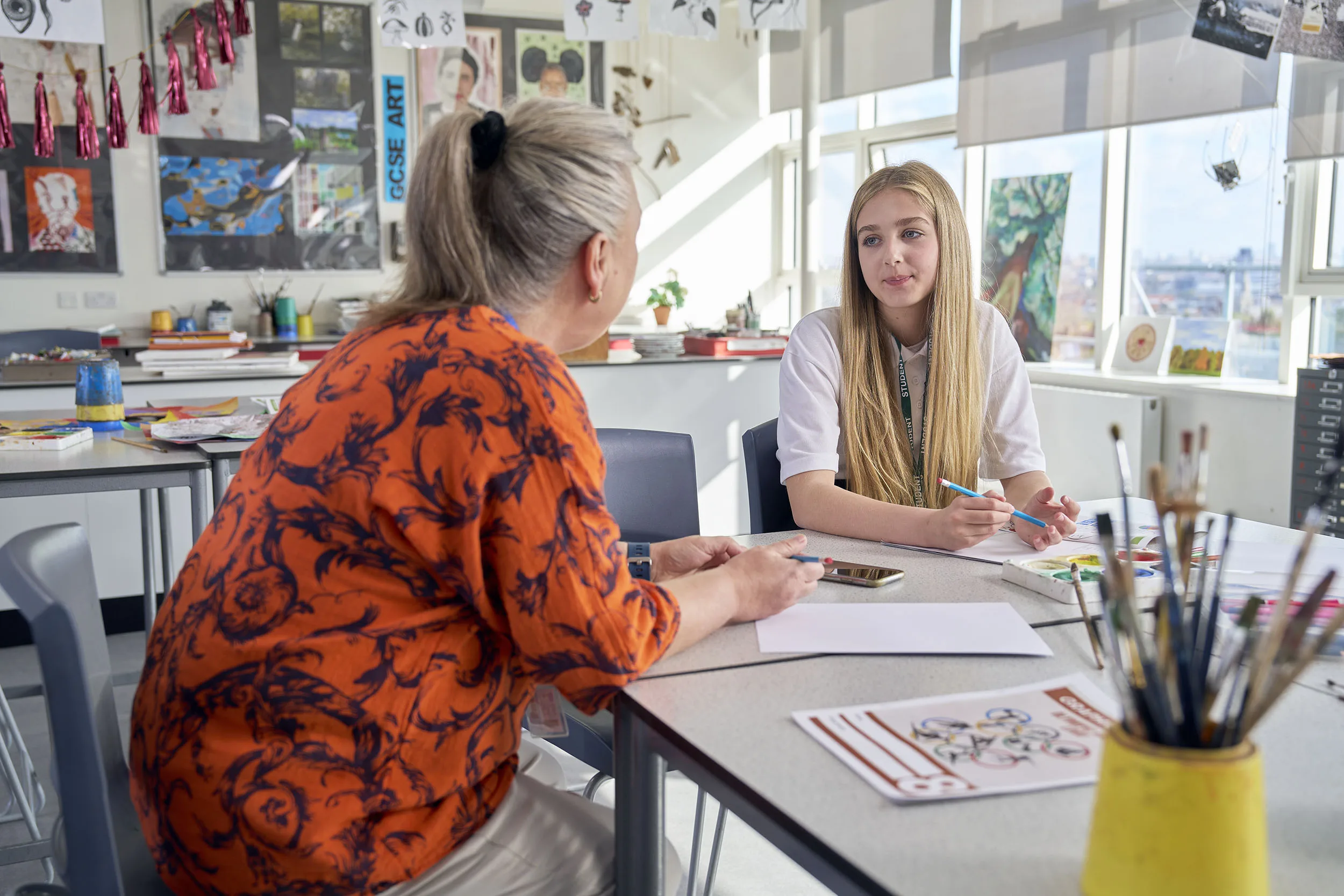
Our Implementing a whole school approach to child sexual abuse guide helps early years provisions, schools, colleges and other education settings improve their response to child sexual abuse. The framework has been developed in collaboration with a range of education settings across England and Wales over two academic years, providing step-by-step guidance which reflects the realities of what education professionals face today.
Safety planning in education
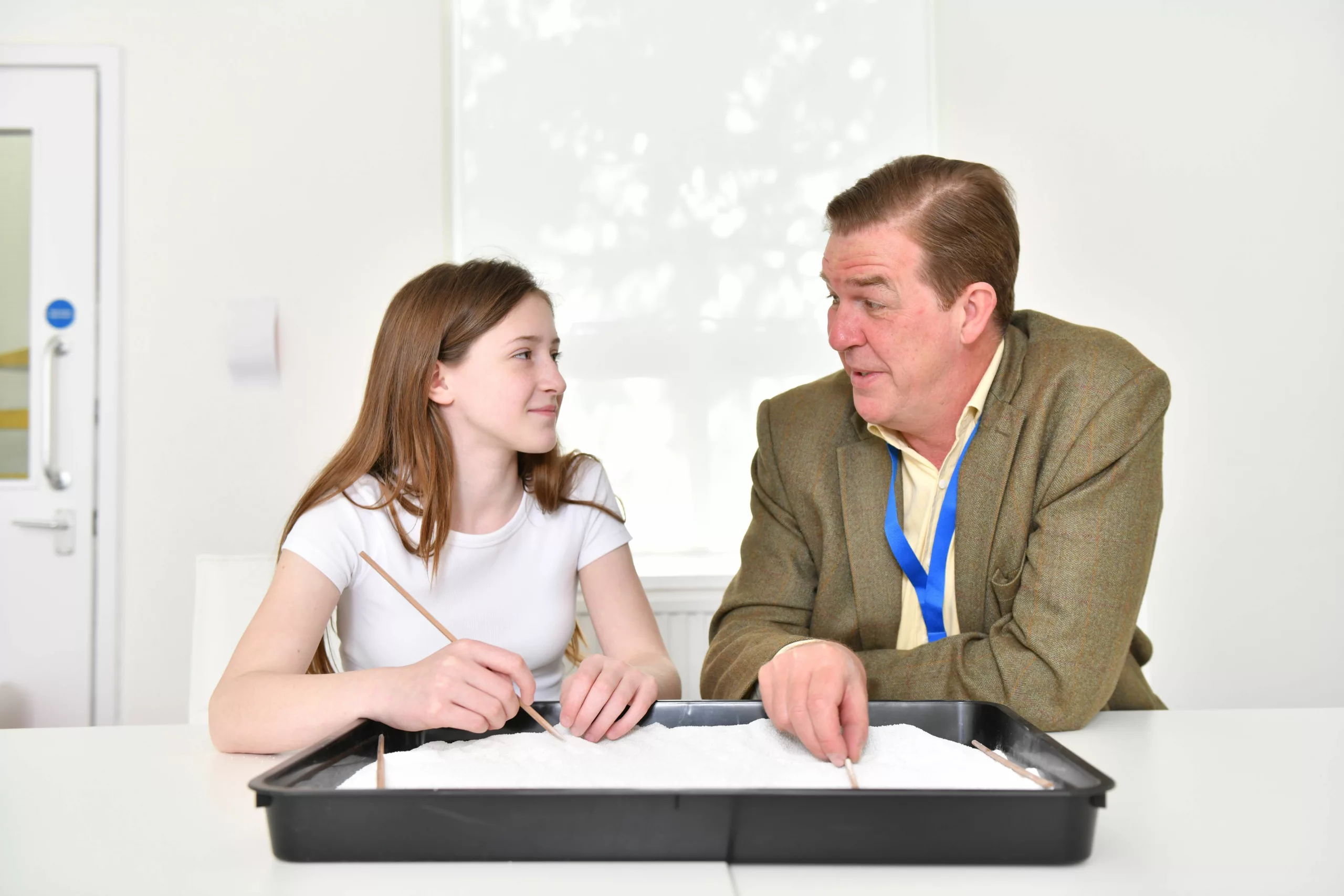
The Safety planning in education guide provides practical support for those in education settings to respond to children’s needs and safety when incidents of harmful sexual behaviour occur. It is split into two: Part A looks at the key actions for a school when an incident of harmful sexual behaviour has occurred, including a safety plan template for recording and reviewing arrangements, and Part B focusses on broader practical advice such as how to communicate with children, and their parents, and an appendix with useful links and resources.
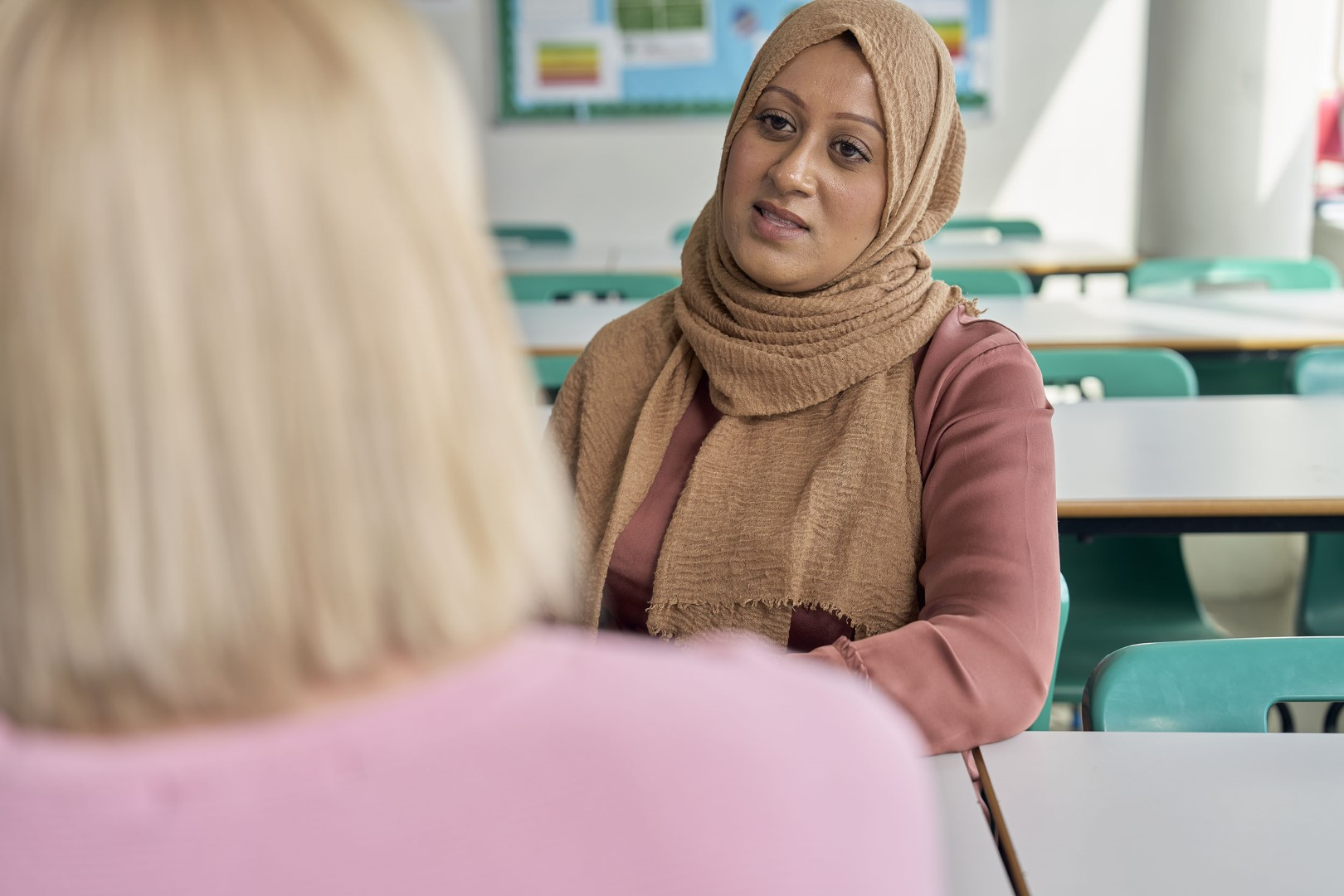
Tailored resources for education professionals
These versions of our Communicating with children, and parents and carers, guides provide tailored guidance to education professionals on how to respond when they have concerns of sexual abuse. The guides cover what teachers and other professionals can help children communicate what is happening for them, and how child sexual abuse affects parents and carers and their children, so that they can support them effectively.
Download and read our Communicating with children and Communicating with parents and carers guides for education professionals via the link below.
Courses for education professionals
Education and DSLs
Identifying and responding to child sexual abuse – for the education workforce
Education and DSLs
Identifying and responding to child sexual abuse for Designated Safeguarding Leads
Education and DSLs