Equipping social work educators to teach about child sexual abuse
Book your place on our free workshops for social work educators.
Register to learn more about our training materials and how you can use them in teaching
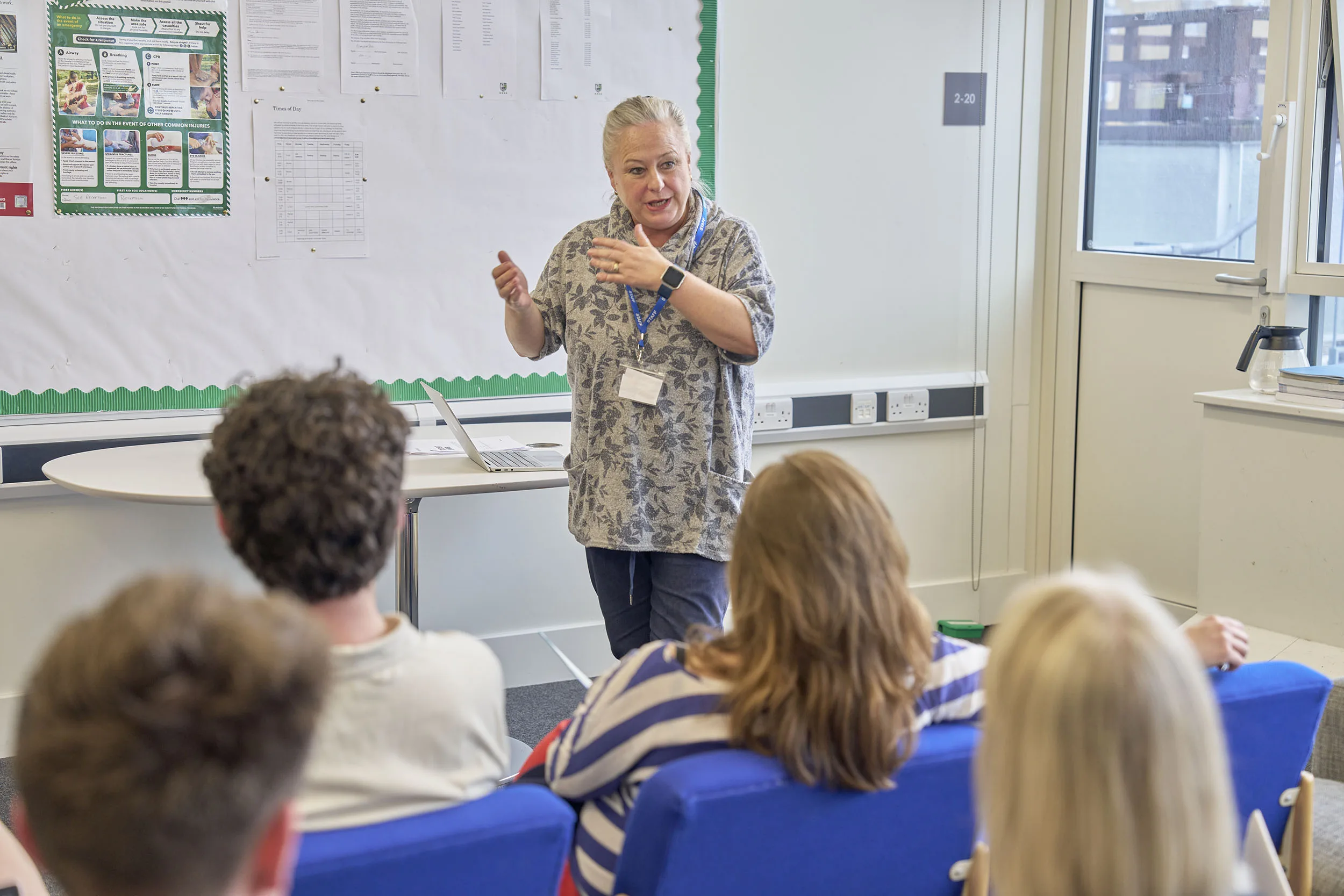
This three-part, online workshop series is designed to equip social work educators with the training materials needed to develop student and newly qualified social workers’ knowledge, skills and confidence in working with children and families affected by child sexual abuse.
1 in 6 children are conservatively estimated to be sexually abused before the age of 18 in England and Wales, yet pre- and post- qualifying training for social workers on child sexual abuse is inconsistent, both in terms of availability and content.
As part of a broader package of training for the social care workforce, funded by the Department for Education, the CSA Centre is offering this workshop series aimed at Higher Education Institutions, social work academies, and learning and development teams.
In this webinar series, attendees will be taken through the presentation and training materials, allowing time for exploration of content and any questions regarding delivery. Once sessions are completed, attendees will be given free access to all materials.
Course content and structure
Session 1: Identification and assessment skills where child sexual abuse is known or suspected
This session will enable those in educator roles to support the children’s social care workforce to build a picture of their concerns when they are worried that a child or young person they are working with is being, or has been, sexually abused.
Session 2: Understanding how children communicate about sexual abuse and the skills needed to respond effectively
This session aims to enable those in educator roles support the children’s social care workforce to understand what they can do to help children tell. In this session we will explain what may be going on for children when they are being sexually abused, what prevents them from talking about their abuse, and what children’s social care can do to help children communicate what is happening.
Session 3: Whole family approaches to child sexual abuse across a range of contexts
This session aims to help those in social work educator roles to enable the workforce to respond to the needs of all family members where child sexual abuse is known or suspected. Each session will consider responding to the needs of the family in different contexts of child sexual abuse for example, in the context of sexual abuse inside and outside the family environment, harmful sexual behaviour by another child, and online– you can see which of these contexts is covered in a specific session when registering using the Teams links below.
How to book
This workshop series will be held on the first Wednesday of every month from November 2026 up until April 2028.
Use the links below to access the Teams registration link – remember to sign up to each webinar you wish to attend. Registering for one day does not grant you entry to the full series.
Session 1: Identification and assessment skills where child sexual abuse is known or suspected
04 November 2026
03 February 2027
05 May 2027
04 August 2027
03 November 2027
02 February 2028
Session 2: Understanding how children communicate about sexual abuse and the skills needed to respond effectively
02 December 2026
03 March 2027
02 June 2027
01 September 2027
01 December 2027
01 March 2028
Session 3: Whole family approaches to child sexual abuse across a range of contexts
06 January 2027
07 April 2027
07 July 2027
06 October 2027
05 January 2028
05 April 2028
Q&A
Find out more about this training offer. If you would like further information please contact csetraining@csacentre.org.uk
This webinar series is aimed at Higher Education Institutions, social work academies, and learning and development teams.
We would encourage social work educators to attend all three webinar sessions in order to get the most out of the training offer and access all of the course materials.
You will receive the training materials via email after attending the webinar. Once sessions are completed, attendees will be given free access to all materials.